
January 15, 2026 Allen Levin
Your pages can rank high in search and still vanish from AI answers. That gap feels confusing when traffic looks strong but AI assistants skip your brand in summaries and chats.
AI assistants ignore many top pages because they favor clear facts, trusted sources, and easy-to-extract content over classic ranking signals. You can win clicks without giving AI what it needs to quote, verify, and reuse your content.
AI tools scan fast and pick sources they can trust and understand. If your pages lack clear structure, strong context, or signals of authority, AI moves on, even when search engines rank you well.

AI assistants do not scan the web like search engines. They read, compare, and select sources that give clear answers, show trust signals, and match real user questions.
AI assistants search with a goal to answer your question, not to rank pages. You see fewer links because the system tries to give one clear response.
When you ask a question, the assistant looks for content that matches intent. It prefers direct explanations, clean structure, and plain language. Long pages filled with ads or side topics slow this process.
AI assistants also reuse patterns from past answers. If a source explains a topic well and stays consistent, the system may return to it again. High traffic or strong SEO alone does not control this choice.
AI assistants choose sources based on how easy they are to read and trust. They favor pages that explain one topic clearly and avoid fluff.
Key signals include:
AI does not scan every page. It filters fast and skips content that feels vague or mixed. If your page answers several questions at once, the assistant may ignore it.
AI evaluates content credibility by looking for signs of reliability. You may not see these signals, but they guide selection.
Common credibility checks include:
| Signal | What AI Looks For |
| Author info | Named writers or clear ownership |
| Accuracy | Facts that match other sources |
| Tone | Neutral, factual language |
| Updates | Signs of recent review |
AI assistants also compare sources. If your page conflicts with trusted sites, it may drop your page. Even small errors can block citation. This explains how AI evaluates content credibility and why precision matters.
Many websites rank well but still go unseen by AI assistants. This happens for clear reasons.
AI does not cite pages that hide answers behind long intros, popups, or heavy design. It also avoids content written for keywords instead of people. If your page feels promotional, the system may skip it.
ChatGPT and similar tools avoid sources with mixed messages or unclear focus. If your page covers many topics, AI may not know what to trust. This explains why AI doesn’t cite websites and why websites aren’t cited by ChatGPT, even when they rank high.
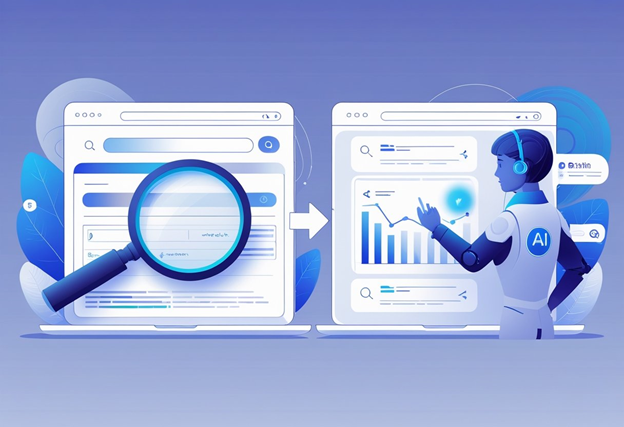
Search engines and AI assistants find and use content in different ways. You can rank well on Google and still miss AI search results if your content does not meet AI needs.
Traditional SEO helps pages rank in search engines. It focuses on keywords, links, page speed, and on-page signals. AI search visibility focuses on whether AI systems can read, trust, and reuse your content.
AI assistants look for clear answers, strong context, and structured facts. They often summarize content instead of showing a full page. This changes what matters most.
| Focus Area | Traditional SEO | AI Search |
| Goal | Rank pages | Answer questions |
| Key signals | Keywords, links | Clarity, context |
| Output | Blue links | Summaries and citations |
You need both approaches to reach users across search and AI tools.
High rankings do not ensure AI assistants will use your content. AI systems select sources based on usefulness, not position.
AI search results often pull from pages that explain topics clearly in plain language. Pages built to rank but not explain can get skipped. Long intros, vague claims, and heavy marketing reduce AI use.
AI tools also favor sources with consistent facts. If your content changes often or lacks clear authorship, AI may avoid it. Strong rankings help discovery, but AI visibility depends on how well your content answers real questions.
Some content stays invisible to AI, even if users can see it. Common blockers include:
AI systems need direct access to text. If they cannot crawl or parse your content, they cannot use it in AI search results.
Clear headings, short paragraphs, and simple sentences help AI understand your pages. Structured data and clean HTML also improve access. If AI cannot read it, it cannot recommend it.
AI visibility issues often come from content design choices. Many sites write for clicks, not answers. AI prefers content that explains one idea at a time.
Weak structure causes problems. Missing headings, mixed topics, and unclear terms confuse AI systems. So does overuse of buzzwords.
Trust also matters. AI assistants look for signals like named authors, dates, and sources. Pages without these details may get ignored.
You improve AI search visibility by writing clearly, staying factual, and organizing content for fast understanding. This approach helps both users and AI tools.
AI assistants scan content to answer questions, not to rank pages. You need clear facts, direct answers, and structure that machines can reuse. This shift explains why SEO alone is no longer enough.
Generative engine optimization focuses on how AI assistants select and reuse content in answers. These systems look for clear claims, trusted sources, and simple language. They do not care as much about page rank or backlinks.
You optimize for reuse, not clicks. That means you write content AI can quote, summarize, or list. You answer real questions in plain words. You avoid filler and vague claims.
GEO optimization also depends on context. AI tools pull from pages that explain what, why, and how in one place. Long intros and sales copy block that goal.
Key differences from classic SEO
| SEO Focus | GEO Focus |
| Rankings | Answer quality |
| Keywords | Clear intent |
| Clicks | Citations |
Start by writing like a teacher, not a marketer. You should define terms early and keep sentences short. AI assistants prefer content that stands alone.
Use specific headings, lists, and tables. These formats help AI extract facts without guessing. Place the answer close to the heading that asks the question.
You should also show trust. Add dates, sources, and plain explanations. Avoid hype and broad promises. AI systems filter out content that sounds unclear or biased.
Best practices to follow
AI-driven search optimization combines SEO basics with new rules. You still need clean site structure and indexing. You also need content built for direct answers.
Focus on best answers, not best pages. Each page should solve a narrow problem. That helps AI match your content to a clear user need.
You should also optimize for how people speak. Many AI queries sound like full questions. Write sections that mirror that style.
Techniques that improve AI visibility
When you optimize content for AI assistants, you increase your chances of being cited, even if users never visit your site.
You can rank high in search results and still miss AI attention. AI systems use different rules than classic search, and they often skip pages that lack clear signals, structure, or trust.
AI content visibility depends on more than rank. AI systems scan pages for clear answers, clean structure, and strong context. If your content hides key facts in long text, AI may pass it over.
Many high-ranking pages focus on keywords, not clarity. AI prefers direct statements, short sections, and clear labels. Pages with mixed topics or weak headings create confusion.
AI also checks freshness and source strength. Old content or unclear authorship lowers visibility. You need clear dates, authors, and updates.
Common visibility issues AI flags
AI assistants ignore some websites because they cannot trust or parse them. Even top-ranked sites fail when they lack clear sourcing or readable layouts.
Assistants look for pages that answer one question well. If your page tries to rank for many ideas at once, AI may skip it. Complex menus, pop-ups, and heavy ads also block access.
AI assistants favor pages that load fast and work well on mobile. Slow pages reduce crawl success.
Reasons AI assistants skip pages
AI-generated answers reduce clicks to websites. AI often pulls facts and shows them directly, which limits exposure even for high-ranking pages.
Your content may help train the answer but never get shown. AI prefers short, verified facts over long explanations. If your key points sit deep in the page, AI may extract nothing.
You need clear answer blocks. Use short definitions, lists, and tables.
| Content Style | AI Use |
| Short facts | High |
| Clear lists | High |
| Long stories | Low |
| Sales language | Very low |
AI-powered search engines still have limits. They do not understand context like a human. They rely on patterns, labels, and known sources.
If your site uses unique terms or brand-only language, AI may miss the meaning. AI also struggles with images that lack text and videos without transcripts.
Ranking does not fix these gaps. You need explicit signals.
What AI-powered search engines need
You improve visibility when you write for machines and people at the same time.
AI assistants favor clear sources, fast access, and trusted signals. Many high-ranking pages miss these needs due to blocked content, weak structure, or unclear answers.
What factors influence the visibility of high-ranking websites to AI assistants?
AI assistants look for clear answers, strong source signals, and easy access. Your page can rank well yet fail if it hides key text, lacks context, or loads slowly.
They also prefer pages that match common questions. If your content does not align with how people ask, AI may skip it.
How do AI assistants determine which websites to prioritize or dismiss?
AI systems scan for accuracy, freshness, and authority. They favor sites with clear authorship, recent updates, and consistent facts across pages.
They dismiss pages with thin content, mixed signals, or blocked crawling. Heavy ads and pop-ups can also reduce trust.
Are there specific website features that affect detection and indexing by AI systems?
Yes. Clean HTML, readable text, and clear headings help AI read your page. Structured data adds context and improves understanding.
Hidden text, heavy JavaScript, and image-only content reduce detection. Broken links and slow servers also hurt access.
What role does search engine optimization play in ensuring high-ranking websites are recognized by AI?
SEO helps AI find and understand your content. Strong titles, clear headings, and internal links guide AI to key points.
Modern SEO also supports AI summaries and zero-click results. Without clear answers, AI may use another source.
Can the use of certain technologies on a website hinder its discoverability by AI assistants?
Yes. Client-side rendering can block content if scripts fail to load. Login walls, paywalls, and strict robots rules limit access.
Complex tracking scripts can slow pages. Slow pages reduce crawl depth and lower selection chances.
What steps can webmasters take to improve the chances of their high-ranking sites being noticed by AI?
You should publish direct answers to common questions. Keep pages updated and cite sources where needed.
You should add structured data and ensure fast load times. Allow crawling, reduce script weight, and keep content visible without clicks.