
Fractional
A Fractional AI COO
who owns the outcome.
Not another AI strategy engagement. We continuously find the places in your business where AI can save time, reduce cost, or add capacity and revenue — and then make sure those improvements actually get implemented, adopted and measured. Executive ownership of AI-driven operational improvement, held month over month rather than delivered as a deck and left behind.
How It Works
Two phases. One continuous responsibility.
The first phase establishes what is genuinely worth doing. The second makes sure it happens, keeps happening, and keeps getting better.
Assess, Prioritize & Build the AI Operating Plan
We begin by learning how the business actually operates — interviewing leadership and key employees, mapping the major workflows, reviewing the existing technology stack, and identifying repetitive work, bottlenecks, revenue opportunities and the places where AI or automation would genuinely improve productivity.
- AI & Operations Assessment
- Prioritized AI Opportunity Map
- Recommended tools & vendors
- AI governance & usage guidelines
- ROI estimates and KPIs
- 90-Day AI Implementation Roadmap
Implement, Manage & Improve
On a monthly retainer, your Fractional AI COO becomes the ongoing executive owner of AI-enabled operational improvement: overseeing roadmap implementation, building and coordinating automations and workflows, evaluating and managing AI vendors, training employees, establishing SOPs and AI operating standards, monitoring adoption and ROI, surfacing new opportunities and continually optimizing what already runs.
- Monthly AI & operations scorecard
- Implementation tracker
- New and improved AI workflows
- Updated SOPs, prompt & automation libraries
- Employee training sessions
- Vendor and tool reviews
- ROI reporting
- Quarterly AI operations roadmap

How This Differs
A role, not a project.
Our AI consulting engagement is a one-time, week-long on-site diagnostic: we embed in the company, meet every department, and deliver a findings report and a 12-month roadmap. It has a defined beginning and end.
Our AI automation work is where specific systems, agents and tools actually get built — the machinery itself.
This service is ongoing and monthly. The Fractional AI COO takes continuous executive ownership of implementation, vendor management, employee training, governance and optimization over time — carrying the work forward long after a project would have closed out.
Put simply: consulting diagnoses, automation builds, and a Fractional AI COO is a standing role inside your company that makes sure both keep paying off.
Why Authority AI
Accountable, not adjacent.
Advisors keep a comfortable distance from the result. An executive does not. We take ownership of the outcome — which means we care whether the workflow is being used in month five, not whether the recommendation was well received in month one.
Juan spent fourteen years as a business coach before any of this, which is where the operational instinct comes from: knowing which changes a team will actually absorb, and which ones look excellent on a slide and die in practice.
We are entrepreneurs and business owners ourselves. That keeps the focus on what moves the needle rather than what is novel, and it means we understand the cost of a distracted team better than someone who has only advised one.
Applied continuously, month over month — because operational improvement is a habit, not an engagement.


In Their Words
From the companies we run alongside.
Custom AI solutions take real investment — time and manpower most teams don't have to spare. Authority AI analyzes your needs, builds the solution, implements it, trains your staff, and gives ongoing support without costing a fortune.
Cheryl Knighten
OwnerAuthority AI has done an amazing job for my law firm. I implemented their CRM and AI-powered chatbot solutions and couldn't be happier working with the team.
Ari Good
PresidentAuthority AI has been a game-changer for Jesselectric Inc. It's user-friendly and has streamlined our operations — the insights are spot-on, and their support team is great.
Jessica Garcia
CEOJesselectric Inc.Questions
Fractional AI leadership, answered plainly.
What is a fractional AI COO?
A fractional AI COO is a part-time operations executive whose mandate is AI-enabled improvement of how your company runs. Rather than delivering advice and leaving, they hold a standing seat: continuously finding where AI can save time, cut cost or add capacity and revenue, and then making sure those improvements are actually implemented, adopted and measured. You get executive ownership at a fraction of a full-time hire.
What does a fractional Chief AI Officer do?
In the first phase, they learn how the business genuinely operates — interviewing leadership and key employees, mapping major workflows, reviewing the existing technology stack, and identifying repetitive work, bottlenecks and revenue opportunities — and produce a prioritized opportunity map with ROI estimates and a 90-day roadmap. From there the role becomes ongoing: overseeing implementation, building and coordinating automations, evaluating vendors, training staff, setting SOPs and AI operating standards, monitoring adoption and ROI, and finding the next opportunity.
Do I need a part-time AI executive?
If your company already knows AI matters but nothing is meaningfully in production, the missing piece is usually ownership rather than ideas. Most small and mid-sized businesses cannot justify a full-time AI executive, and asking an existing leader to add it to their plate means it loses to whatever is urgent that week. A fractional arrangement puts the accountability somewhere permanent without the full-time cost.
What's included in outsourced AI leadership?
Phase one delivers an AI and operations assessment, a prioritized AI opportunity map, recommended tools and vendors, basic AI governance and usage guidelines, ROI estimates and KPIs, and a practical 90-day implementation roadmap covering quick wins and larger bets. The ongoing retainer delivers a monthly AI and operations scorecard, an implementation tracker, new and improved workflows, updated SOPs and prompt and automation libraries, employee training, vendor reviews, ROI reporting, and a quarterly roadmap covering what was accomplished, the measurable impact, and what comes next.
Can I hire an AI employee instead of a fractional executive?
They solve different problems. An AI employee — covered under our AI automation service — is a system that does a specific job, such as handling inbound calls or owning lead generation. A fractional AI COO is a human-led ongoing executive service that oversees your whole AI operation, including deciding which AI employees are worth deploying, getting them adopted, governing how they are used, and measuring whether they returned anything. Companies frequently have both.
How is this different from AI consulting?
Our AI consulting engagement is a one-time, week-long on-site diagnostic that produces a findings report and a 12-month roadmap — a project with a defined end. This is a standing role. The fractional AI COO works month over month, carries the roadmap forward, and stays accountable for whether the changes take hold rather than handing them off.
How is this different from AI automation?
AI automation is the build side — the agents, systems, dashboards and workflows that get constructed. A fractional AI COO decides what should be built and in what order, coordinates whoever builds it, trains the people who will use it, sets the standards it runs under, and reports on the return. One produces the machinery; the other owns the operation the machinery runs inside.
How much of your time does the company get?
Enough to carry the work, not so much that you are paying for a full-time salary. The initial engagement is intensive because assessment requires real access to leadership and staff. The ongoing retainer settles into a rhythm of standing leadership time, implementation oversight, training and monthly reporting, scoped to the size of your roadmap.
Contact
Let's put someone in charge of making this actually happen.
Tell us where your operation is losing time, and what has stalled between good intentions and something running in production.
About Us
Built by operators, not theorists.
Authority AI was founded on the belief that real transformation comes from understanding a business before changing it. Juan P Ortega and Allen Levin bring decades of executive, operational and advisory experience to the work — helping leadership teams turn AI from a set of possibilities into a disciplined advantage.
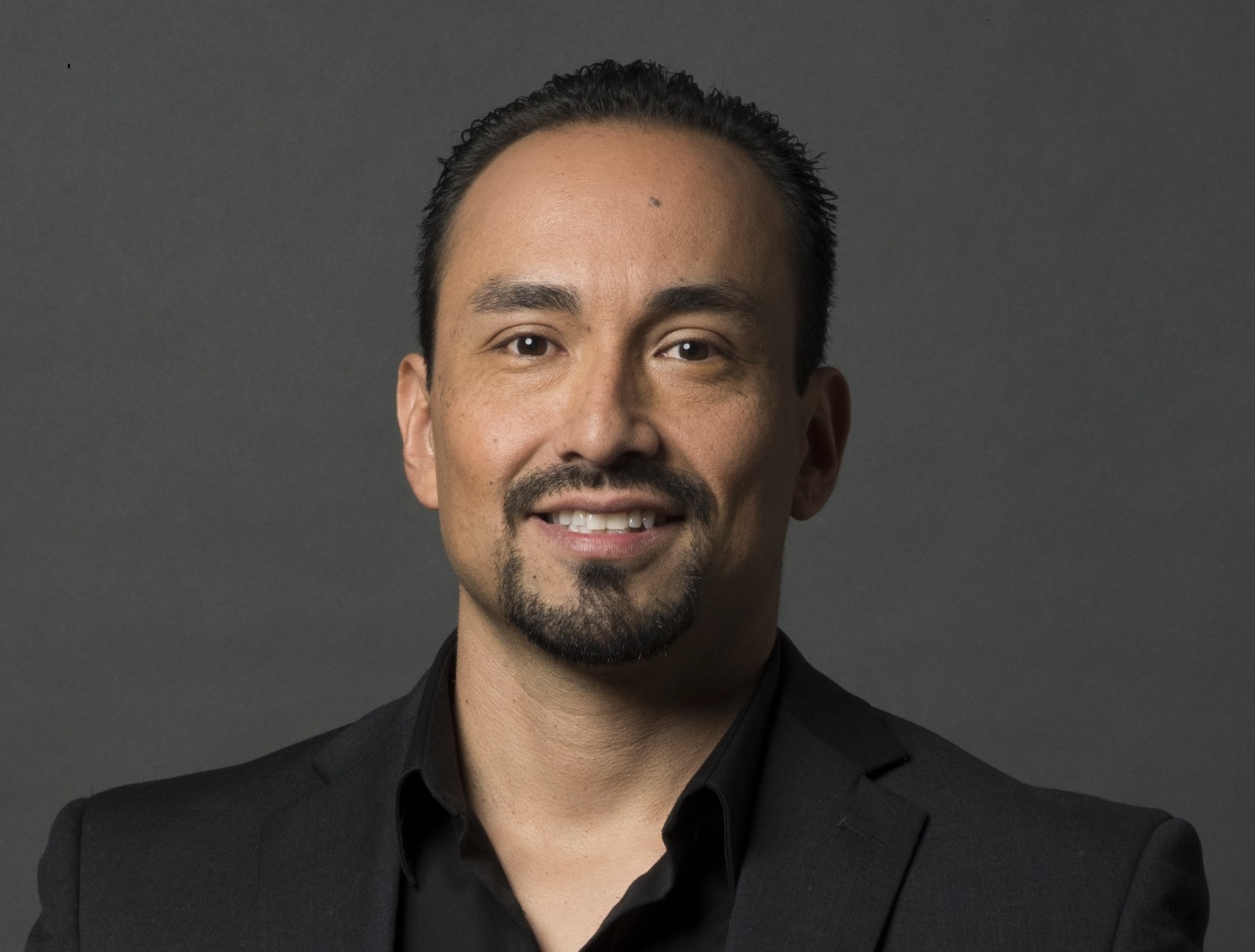
Juan P Ortega
CEO | Co Founder
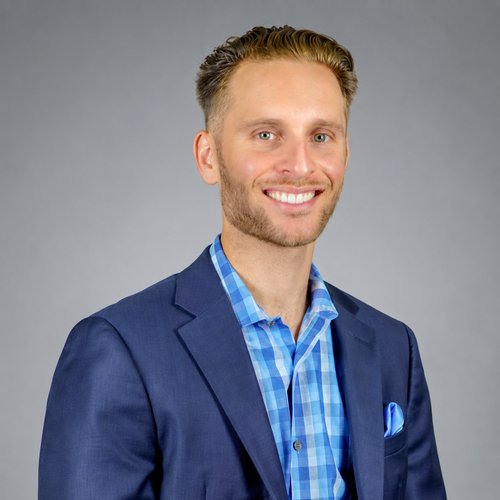
Allen Levin
President | Co Founder
Greater Fort Lauderdale Chamber of Commerce — Trustee Plus Member